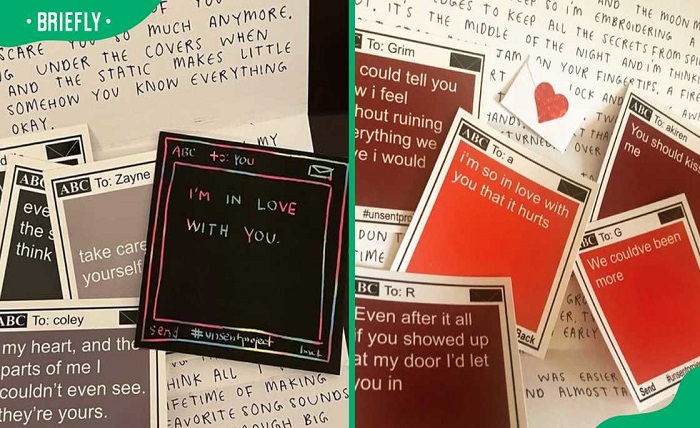
In an age of instant messaging and constant connectivity, it’s ironic that so many of our most profound feelings remain unspoken. There are countless text messages crafted with care, only to be deleted rather than sent. There are confessions typed out and erased, apologies never delivered, and declarations of love left lingering in the drafts folder. This is the space where the unsent project lives, a unique digital archive that has transformed the act of not sending a message into a powerful form of art and communal catharsis. What began as a personal quest by a young artist has blossomed into a global phenomenon, creating a platform where anonymous users can share their deepest, most vulnerable thoughts with the world, even if they couldn’t share them with the person they were meant for.
The Origin Story of The Unsent Project
The genesis of the unsent project is as personal and intimate as the submissions it hosts. It was created in 2015 by Rora Blue, a visual artist whose work often explores themes of communication, color, and emotion . Initially, it was a simple text post on a Tumblr blog, a small experiment born from Blue’s own experiences and curiosity. As a 19-year-old processing their own feelings about a first love, Blue wanted to connect with others and understand how they perceived love through color . Little did they know that this modest Tumblr post would resonate with thousands of people . Blue recalls waking up one day to find 20,000 submissions waiting in their inbox. This overwhelming response was the catalyst for moving the project from a Tumblr page to its own dedicated website, which launched in 2019 . At its core, the unsent project was created to investigate a simple, yet profound, question: what color do people see love in? By collecting messages and associating them with a specific color, Blue began to map the collective emotional landscape of human connection.
The Emotional Mechanics: How The Unsent Project Works
To understand the allure of the unsent project, one must first understand how it functions. It’s a remarkably simple yet brilliant concept. The website allows users to submit an anonymous text message—a note they never sent to a “first love.” The definition of a “first love” is intentionally left open to interpretation, which has led to a diverse collection of messages addressed to lovers, friends, ex-partners, parents, siblings, and even pets . The process is straightforward: the submitter enters the name of the intended recipient, writes their message, and chooses a color. This chosen color is perhaps the most crucial element of the unsent project, as it represents how the submitter associates the recipient with color. The messages are then stored in an extensive, searchable online archive. Visitors to the website can navigate to the “Archive” section and search for any name, bringing up a sea of messages, each displayed against a colored background, offering a raw, unfiltered glimpse into the hearts of strangers . The anonymity is a key feature, ensuring that the person the message is addressed to will likely never know it exists, creating a safe space for unadulterated expression .
A Spectrum of Sentiment: The Role of Color in The Unsent Project
What sets the unsent project apart from a simple confessional blog is its unique integration of color theory and emotional association. The project was, in part, a social experiment to visualize the emotional weight we assign to colors. When a user submits a message, they are prompted to select a color that they associate with their “first love.” This adds a layer of visual poignancy to the text. For instance, a message written in bright, vibrant red might convey passion or anger, while a message in soft, muted blue might speak of sadness or tranquility. Artist Rora Blue, who has synesthetic tendencies, was profoundly curious about whether humans have a collective emotional experience of different colors . By looking through the millions of submissions, Blue has found a “direct correlation between color and emotion” . The project is a living, breathing data set. When you browse the archive, the colors provide a visual shorthand for the emotional tenor of the message, turning a collection of texts into a complex, multi-colored emotional landscape. It is a testament to the power of color in representing the often indescribable feeling of love .
The Viral Phenomenon: The Unsent Project on TikTok
While the unsent project had been steadily growing since its inception in 2015, it reached a new level of mainstream recognition thanks to a viral trend on TikTok. In 2021, a challenge began circulating on the platform where users would search for their own name on the unsent project website and share their findings . The thrill of discovering a message that could have been meant for you, even if you knew it likely wasn’t, was incredibly compelling. Users would film their reactions as they scrolled through the poignant, heartbreaking, or heartwarming messages dedicated to their name . The hashtag #unsentproject amassed tens of millions of views, turning the artistic archive into an interactive, participatory cultural moment . This viral moment highlighted the project’s duality: it is both a personal diary for those submitting and a source of intimate connection for those reading. It transforms the passive act of browsing into a quasi-spiritual experience of seeking a message that feels written just for you, a digital “what if” scenario that is both entertaining and deeply human .
The Community and Impact of The Unsent Project
The heart of the unsent project lies in its ability to foster a profound sense of community. With over 5 million submissions, it has become a vast, digital repository of human emotion, a testament to our universal desire to be understood . For the submitters, the act of writing and publishing a message is a form of catharsis, an emotional outlet for feelings that have been bottled up for years . For the readers, it serves as a reminder that they are not alone in their experiences of loss, longing, love, and regret. Reading the messages of others can be a deeply healing experience, normalizing the pain of unrequited love or the sorrow of a goodbye that was never properly said . The project aims to “provide an emotional outlet for those who need it,” creating a “safe space for emotional release and authentic storytelling” . By participating in the unsent project, users are not just sharing words; they are connecting with a global community of strangers who have all felt the same weight of an unsaid sentence .
More Than Just Art: The Unsent Project’s Broader Significance
Beyond being a captivating website, the unsent project functions as an interactive art installation that challenges the viewer to think about communication, vulnerability, and the nature of love . It is “a second chance at both love and anger” for many, a space where the “unhinged” feelings that are socially unacceptable to express can find a home . The project has sparked conversations about the emotional burdens we carry and the importance of expression . It demonstrates the power of the “unsaid” and how, in the digital age, words typed but never delivered can hold as much weight as those that are. The project has grown to include exhibitions and merchandise, further solidifying its place in contemporary digital culture . It stands as a powerful example of how a simple concept—an unsent message—can evolve into a global movement that encourages empathy, self-reflection, and connection in a world that is simultaneously more connected and more isolated than ever.
Conclusion
The unsent project is more than just a website; it is a cultural phenomenon that has given voice to millions of unspoken words. From its humble beginnings as a Tumblr post by Rora Blue to a viral sensation on TikTok, the project has created a unique and powerful archive of human vulnerability. It allows us to see the spectrum of human emotion, painted in the colors we associate with love, loss, and longing. Whether you are a contributor, seeking catharsis from a past love, or a reader, searching for a message that might have your name on it, the unsent project offers a profound reminder of the words that define us—even the ones we never say. It proves that sometimes, the most important words are the ones that are left unsent.
FAQs
1. What exactly is The Unsent Project?
The unsent project is an online art project created by Rora Blue in 2015. It is a digital archive where people from all over the world can anonymously submit text messages they wrote but never sent, usually to their “first loves.” The project also serves as a social experiment to see what colors people associate with love .
2. Can I see if someone has sent an unsent message to me?
You can search for your name on the the unsent project website to see if anyone has addressed a message to you . However, because all submissions are anonymous, you will never know who wrote it. Moreover, if the submitter did not include a specific name, the message will not appear in a name search .
3. How do I submit a message to The Unsent Project?
To submit a message, visit the official the unsent project website and click on the “Submit” option. You will then be prompted to enter the name of the recipient, type your message, and choose a color that you associate with that person. Once you agree to the terms, your message will be added to the archive .
4. Is The Unsent Project only for romantic love?
While the project was initially inspired by “first loves,” the term is open to interpretation. The archive contains messages addressed to a wide variety of people, including exes, best friends, parents, siblings, and even pets. The focus is on unspoken emotions in any significant relationship .
5. Can I read all the messages on The Unsent Project?
Yes, the archive is public and accessible to anyone on the website. You can browse the archive by name or simply scroll through the submissions. It provides a fascinating and often moving look at the collective, unspoken feelings of people from all over the world