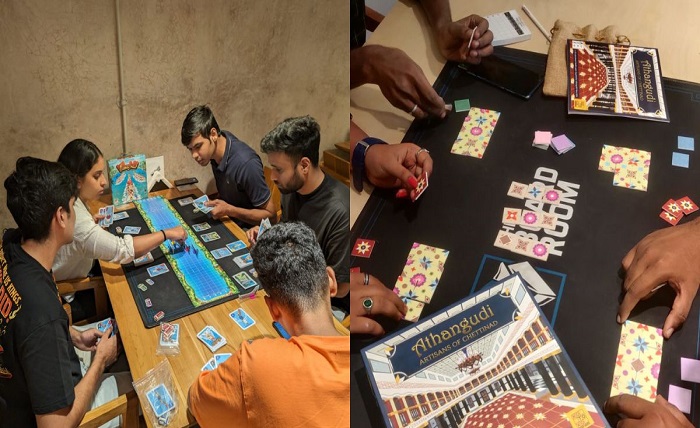
Card games in India have always carried a certain charm. They sit somewhere between tradition and mischief, between family bonding and friendly rivalry. Long before smartphones arrived, the sound of shuffling cards was a familiar background score at festivals, train journeys, and lazy Sunday afternoons. Now, as gaming shifts to digital platforms, those same cultural instincts are shaping how Indians play online.
The transition hasn’t diluted the essence. If anything, it has amplified it. The digital era has simply taken a centuries-old habit and given it a touchscreen upgrade.
Why Card Games Fit Naturally into Indian Life
Indians don’t need a tutorial to understand card games. The rules may vary from region to region, but the spirit remains the same. There’s always a mix of luck, intuition, and a bit of harmless bluffing. That blend is exactly why card games have adapted so smoothly to mobile screens.
The familiarity also explains why players often keep an eye on everyday gaming trends, on major online gaming hubs, to see how traditional formats are evolving online. The digital versions feel modern, but the emotional connection is unmistakably old-school.
Card games also fit perfectly into India’s rhythm. They’re quick enough for short breaks, engaging enough for long sessions, and social enough to feel like a shared experience even when played alone.
Teen Patti and the Art of Friendly Chaos
If there’s one game that captures India’s card-playing personality, it’s Teen Patti. It’s loud, unpredictable, and full of dramatic reveals. It’s the game where uncles become strategists, cousins become rivals, and everyone suddenly claims to be an expert.
The digital version hasn’t lost that energy. Players still chase the thrill of a bold call or a perfectly timed bluff. To play Teen Patti well, you need to recognise the different ways the game unfolds if you want to understand Teen Patti strategy and how instinct and timing collide in every round.
Teen Patti’s rise online isn’t surprising. It’s a game built on psychology as much as probability. It rewards confidence, quick thinking, and the occasional gamble. In other words, it mirrors the way Indians approach everyday decisions, from bargaining at markets to picking IPL fantasy teams.
How Digital Platforms Reinvented Tradition
The shift to online play didn’t just replicate the physical experience. It added layers that suit modern habits.
- Shorter rounds that fit into commutes, chai breaks, or late-night scrolling
- UPI-friendly payments that make the flow smoother than shuffling a deck
- Mobile-first design that works even on budget devices
- Live tables and multiplayer rooms that recreate the social buzz
These features didn’t replace tradition. They enhanced it. The digital era simply made card games more accessible, more flexible, and more aligned with the way Indians use their phones.
The result is a hybrid culture where nostalgia meets convenience. Players still enjoy the thrill of a good hand, but now they can experience it without waiting for Diwali night or a family reunion.
Why Card Games Continue to Thrive Online
Card games have something that many modern formats lack: personality. They’re unpredictable, emotional, and deeply human. Even when played digitally, they carry the same tension and excitement that made them household favourites.
They also offer a sense of control. Unlike pure chance-based games, card games reward observation, memory, and timing. That balance between skill and luck appeals to Indian players who enjoy reading patterns and making calculated moves.
And then there’s the social factor. Even when players sit miles apart, the banter, the reactions, and the shared suspense feel familiar. It’s the same energy that once filled living rooms and verandas, now recreated through screens.
A Tradition That Refuses to Fade
Card games in India aren’t just pastimes. They’re cultural artefacts. They carry stories, memories, and a sense of belonging. The digital era hasn’t replaced that heritage. It has preserved it in a new form.
As long as Indians enjoy a good bluff, a clever read, or the thrill of a winning hand, card games will remain part of the country’s gaming identity. The platforms may change, the interfaces may evolve, but the instinct stays the same.
The digital deck is just the latest chapter in a story that started long before smartphones existed. And judging by the way players continue to embrace it, this chapter is only getting started.