Assault and battery cases are often complex, with outcomes shaped by a combination of legal arguments, factual evidence, and procedural decisions. No two cases follow the exact same path, which makes it important to understand the elements that courts typically evaluate. By examining these factors, individuals can gain clarity on how decisions are made and what influences the final result.
Strength and Reliability of Evidence
The outcome of any assault and battery case heavily depends on the evidence presented. Physical proof, such as medical records, photographs of injuries, and video footage, can provide clear support for one side’s claims. In addition, witness testimony can either strengthen or weaken a case. Courts tend to place significant value on consistent, credible statements, while contradictions can raise doubts. The more organized and reliable the evidence is, the stronger the case becomes.
Intent and State of Mind
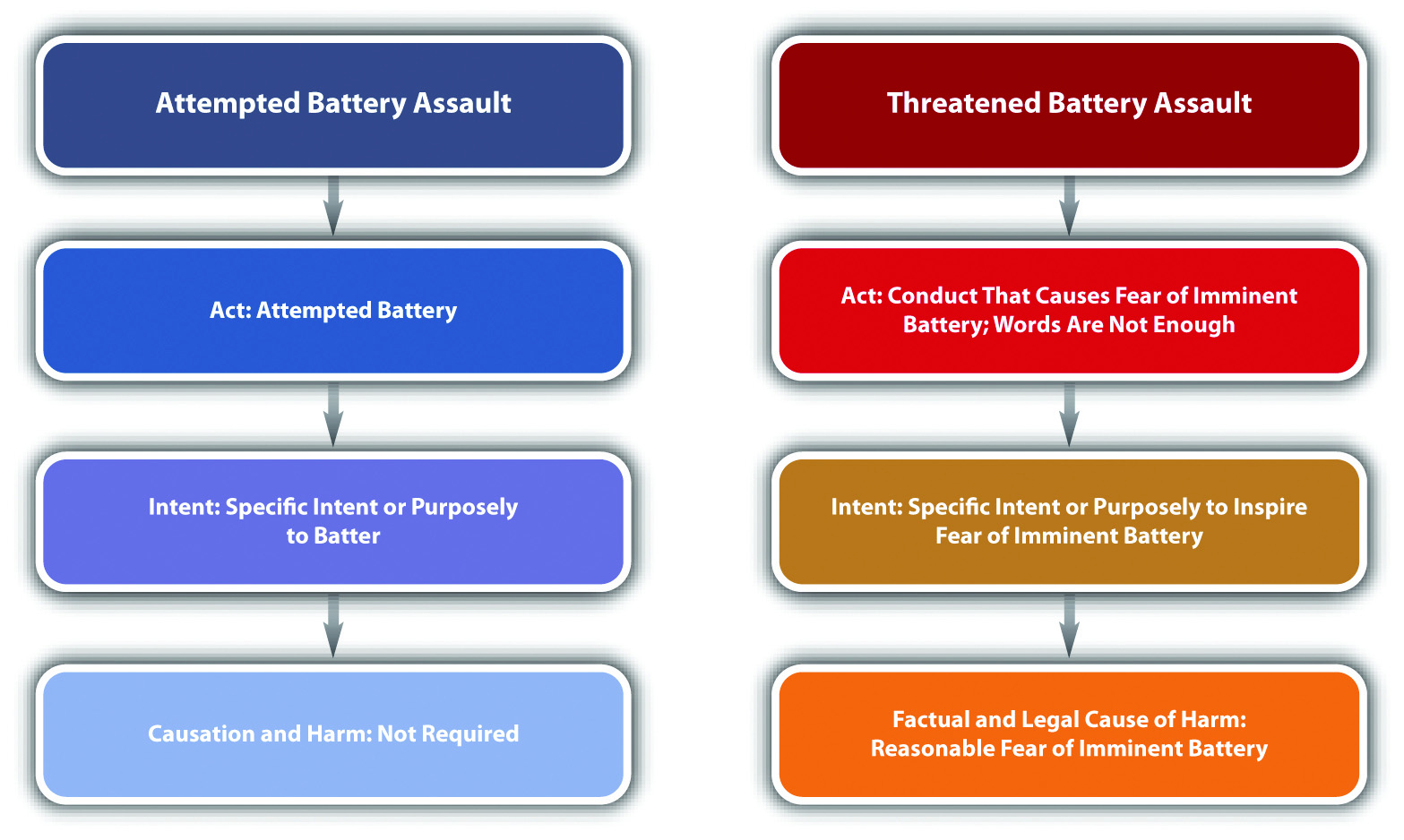
Intent is a crucial legal element in assault and battery cases. The prosecution typically needs to establish that the accused acted deliberately or recklessly in a way that caused harm. However, the defense may argue that the incident was accidental or lacked harmful intent. The interpretation of a person’s state of mind at the time of the incident often plays a major role in determining whether charges are held or are reduced.
Circumstances Surrounding the Incident
Context matters greatly in legal proceedings. Situations involving self-defense or defense of others can shift how a case is viewed. If the accused can demonstrate that they were protecting themselves from immediate danger, it may significantly affect the outcome. Other circumstances, such as provocation, mutual confrontation, or unclear timelines, can also complicate the case and introduce reasonable doubt.
Role of Legal Representation
The quality of legal representation can strongly influence how a case unfolds. An experienced Oklahoma City assault and battery lawyer can look at the specifics of the case, find holes in the prosecution’s case, and come up with strong defenses. Proper legal guidance ensures that all procedural steps are handled correctly and that the accused’s rights are fully protected. This can make a meaningful difference in negotiations, hearings, and trial outcomes.
Credibility of the Parties Involved
Courts often evaluate the credibility of both the accused and the alleged victim. Behavior before, during, and after the incident can influence how each party is perceived. Factors such as consistency in statements, past conduct, and demeanor in court can all impact credibility. A party seen as more trustworthy is more likely to have its version of events accepted.
Legal Procedures and Case Handling
Procedural aspects also play a key role in determining results. Errors in arrest procedures, improper evidence collection, or violations of legal rights can weaken a case. Defense teams may challenge these issues to have evidence excluded or charges dismissed. Proper handling of legal procedures ensures that the case progresses fairly and in accordance with the law.
Severity of Allegations and Prior History
The seriousness of the alleged offense can affect potential penalties and the overall direction of the case. More severe injuries or the use of weapons may lead to harsher charges. Additionally, prior criminal history can influence how the court approaches sentencing or negotiations. A clean record may support leniency, while repeat offenses could result in stricter consequences.
Conclusion
Assault and battery case results are shaped by multiple interconnected factors, including evidence, intent, circumstances, and legal strategy. Each element contributes to how the case is interpreted and ultimately decided. People can better prepare for the legal process and make smart choices when they are facing charges if they understand these important factors.